
The Part of the Fireplace That Takes the Direct Hit
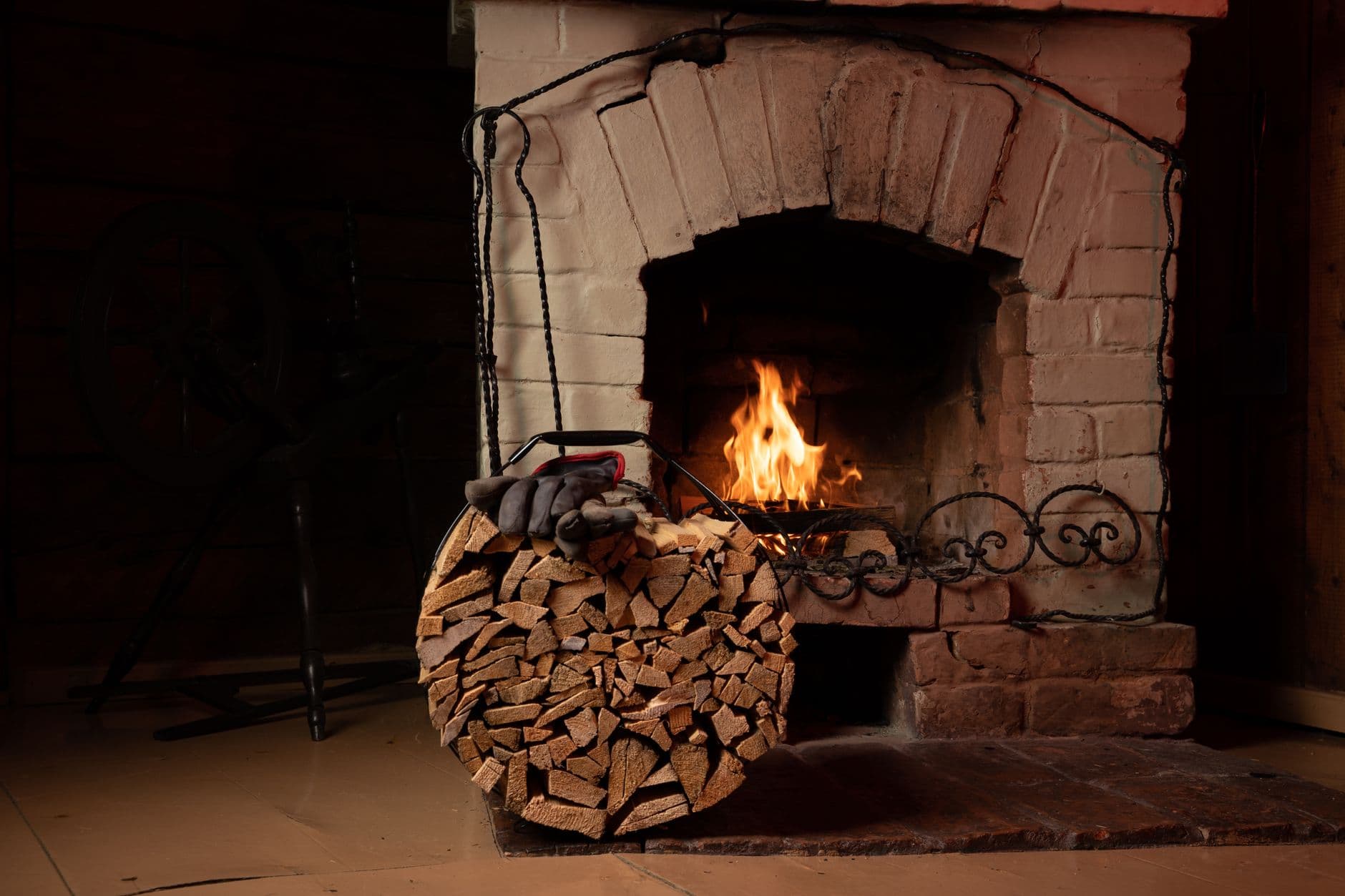
Every other component in a wood-burning fireplace system, the flue, the smoke chamber, the crown, deals with heat indirectly, as exhaust and rising warm air pass through on their way out. The firebox is different. It is the one part of the system built to hold an actual fire directly against its walls, and the material lining it has to survive that heat, cycle after cycle, for as long as the fireplace is in use.
That material is usually firebrick, a refractory brick manufactured to handle direct flame contact, sometimes backed by refractory panels in factory-built and prefabricated units. Neither one lasts forever. Understanding when a firebox needs attention, and what restoring it properly actually involves, keeps a fireplace safe rather than just cosmetically fine.
How Firebox Material Fails Over Time
Thermal cycling. Every time a fire is built and allowed to go out, the firebox material heats and cools through a wide range. That repeated expansion and contraction is what firebrick and refractory panels are designed to handle, but the material's resistance to it wears down gradually across years of use, eventually showing up as hairline cracks that widen with each subsequent fire.
Age and original quality. Not all firebrick installed over the years meets the same standard, and older fireboxes, particularly in homes with an original masonry fireplace that has never been rebuilt, sometimes show wear tied as much to the quality of the original material as to how much use the fireplace has seen.
Moisture reaching the firebox from elsewhere. A cracked crown or damaged flashing lets water travel down through the flue system, and if it reaches the smoke chamber and firebox, that moisture accelerates deterioration in material that was designed to handle heat, not standing water.
Overfiring. A fire built too large for the firebox, or one fed more fuel than the space is designed to handle, pushes temperatures beyond what the refractory material is rated for, accelerating cracking well beyond what normal use would cause.

What We Look For in a Firebox Assessment
Cracking in the firebrick or refractory panels. Hairline cracks are common and often cosmetic in isolation, but cracks that run through the full depth of a brick or panel, or cracks that have widened and multiplied across a wall, point to material that has reached the end of its working life.
Mortar joint condition between firebrick units. Firebrick is set with a specific fire-rated mortar, and that mortar wears at its own pace, separate from the brick itself. Joints that have opened up let heat reach the material behind the firebrick, which is not designed for direct flame exposure the way the firebrick is.
Correct dimensions and clearances. An older firebox that has settled, shifted, or been altered over time can end up with dimensions or clearances that do not match what the fireplace was originally built to. Restoration work is a chance to correct that, not just replace damaged material in the same configuration.
Smoke chamber and smoke shelf condition. The parged coating inside the smoke chamber, directly above the firebox, protects the masonry there the same way firebrick protects the firebox itself. Cracked or missing parging exposes rougher material that disrupts smooth airflow and gives creosote more surface to cling to.
What Firebox Restoration Actually Involves
Removing damaged material completely. Cracked firebrick or refractory panels are removed rather than patched over, since a crack that has already formed continues to widen with use regardless of what is applied over the surface.
Rebuilding with correctly rated material. Replacement firebrick and mortar have to be rated for direct flame contact, not general masonry material that happens to look similar. Using the wrong material here is a safety issue, not just a durability one.
Restoring correct joint width and pattern. Firebrick is typically set with tighter joints than standard wall brick, since the fire-rated mortar between courses needs to be thin enough to expand and contract without cracking under heat. Getting this pattern right is part of what makes the rebuild hold up under repeated use.
Reparging the smoke chamber where needed. A smooth, intact parge coat in the smoke chamber supports proper draft and gives creosote less surface area to build up on, which matters for both performance and long-term maintenance.
Confirming clearances before closing the job out. Distance from combustible framing around the firebox is checked against what the system requires, correcting anything that has shifted out of range over the life of the fireplace.
Why This Matters More on Older Fireplaces
The masonry fireplaces still found throughout Ventura and Santa Paula were often built well before current material standards existed in their current form, and original firebrick in those systems has typically been through more heating seasons than a homeowner might assume just from looking at it. A firebox that still looks intact from a few feet away can have cracking that only shows up on close inspection, particularly in the corners and along the back wall where heat concentrates most directly during a burn.
Thousand Oaks and Camarillo see a different pattern, since much of the fireplace stock there is factory-built rather than full masonry. Those units use manufactured refractory panels rather than individually laid firebrick, and when a panel cracks, it typically needs to be replaced as a matched unit rather than repaired piece by piece, since the panels are engineered to a specific fireplace model's dimensions.
Signs a Firebox Needs a Professional Look
- - Visible cracking across more than one or two isolated spots
- Crumbling or missing mortar between firebrick units
- A firebox wall that feels warm to the touch on the exterior side during a fire
- Discoloration or staining that suggests heat is reaching material it should not be
- Any gap where you can see daylight or insulation behind the firebrick
Firebrick Versus Refractory Panels
Older masonry fireplaces throughout Ventura and Santa Paula were typically built with individual firebrick units laid course by course inside the firebox, the same way a mason would lay any other brick, just with a material rated for direct flame contact instead of ordinary wall brick. Restoring a firebox like this means the same tuckpointing and unit-replacement approach used elsewhere in the chimney, scaled down to the specific joint width and mortar type firebrick requires.
Factory-built fireplaces common across Thousand Oaks and Camarillo take a different construction approach entirely, lining the firebox with manufactured refractory panels rather than individual brick units. These panels are engineered to the dimensions of a specific fireplace model, which means a cracked panel typically gets replaced as a matched unit rather than patched in place. Mixing up these two approaches, treating a panel-lined firebox like a brick one or the reverse, leads to a repair that does not fit correctly or perform the way the original system was designed to.
What a Firebox Rebuild Looks Like in Practice
A rebuild starts with a full assessment of what is actually still sound, since preserving usable original material keeps both the cost and the disruption to a minimum. From there, damaged brick or panels come out completely, the smoke shelf and smoke chamber above get checked for related wear, and new material goes in matched to the correct rating, joint pattern, and dimensions the fireplace calls for. The last step is always a clearance check, confirming that combustible framing around the rebuilt firebox sits at a safe distance before the job is considered finished. Skipping that last step is a common shortcut, and it is the one that matters most for safety once the fireplace goes back into regular use.
Restoring Your Firebox the Right Way
A firebox rebuild is not a job to shortcut, since it sits at the exact point where flame meets structure. If your fireplace shows cracking, crumbling mortar, or simply has not been assessed in a long stretch of regular use, Proguard Chimney Company's CSIA-certified technicians can evaluate what is actually happening behind the visible brick. Contact us at (805) 244-5793. We rebuild fireboxes in the older masonry fireplaces common throughout Ventura and Santa Paula, along with the factory-built systems found across Thousand Oaks, Camarillo, and Oxnard.
Need Professional Chimney Service?
Our CSIA-certified technicians are ready to help with all your chimney and fireplace needs. Contact Proguard Chimney Company today for expert service throughout the Ventura County service area.


